The Rhythm of Problem Solving
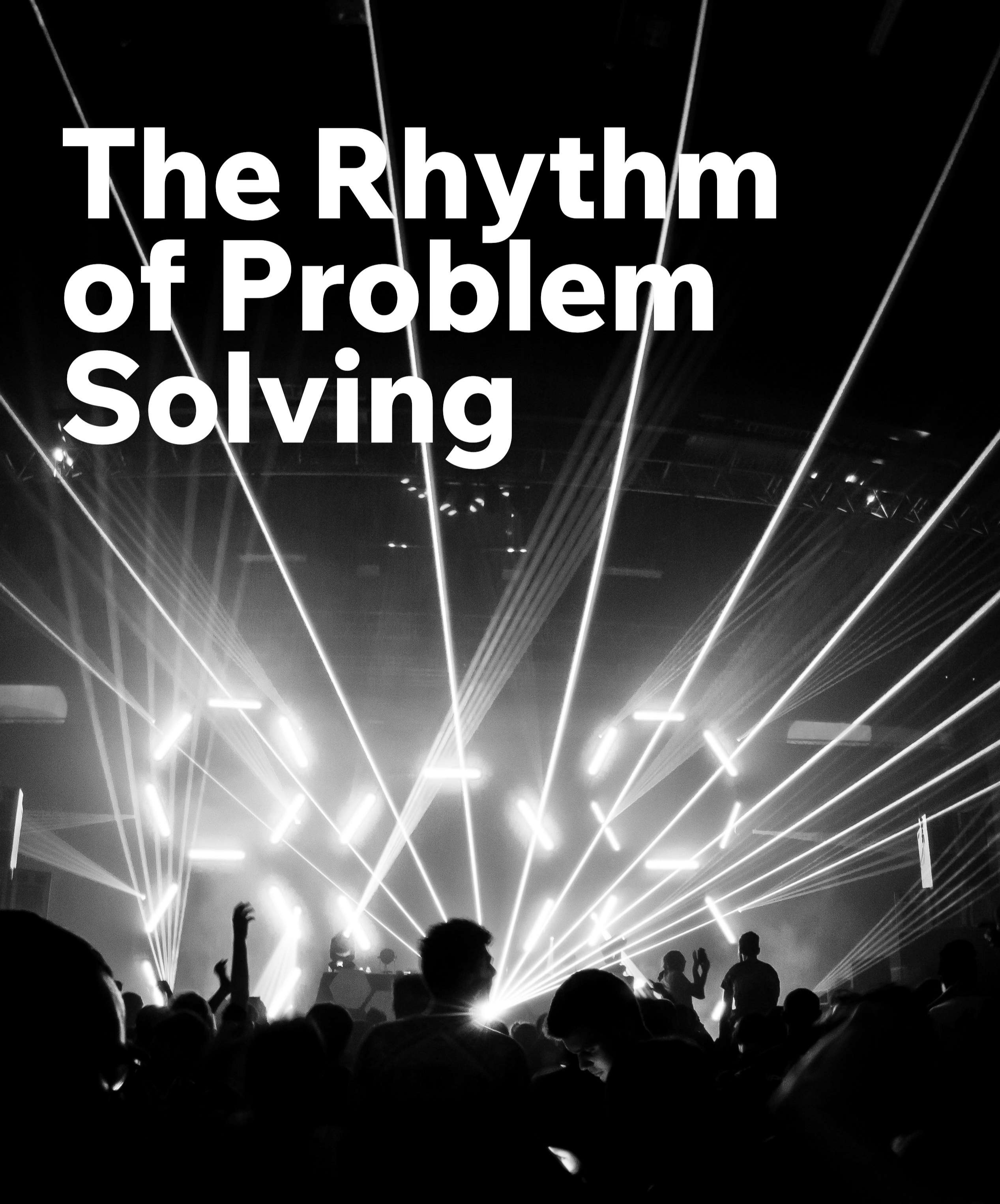
It’s mid-afternoon. I’m sipping cold coffee, lost in thought, staring at the same problem I’ve been wrestling with all morning. Then something clicks—an idea falls into place—and just as it happens, the right set kicks in. It’s subtle, almost cinematic. I catch myself pumping my fist to the beat, letting the music seal the moment.
Lately, I’ve been thinking about how much music shapes my workdays. It’s not just background noise—it pushes me forward, helps me focus, and sometimes unlocks ideas I didn’t know I had. Those small breakthroughs—the ones no one else sees—feel more real when they land in sync with sound.
That brings me to my unsung collaborators—Monolink and Be Svendsen. They don’t know it, of course, but their music has become the unofficial soundtrack to my process. I’m not picky about genre. If it’s built with care, carries depth, and doesn’t try too hard—it sticks. Like good design, the best stuff doesn’t beg for attention—it holds it without asking.
Monolink blends electronic beats with live instruments and vocals, creating something that feels grounded but wide open. Be Svendsen builds slow-burning soundscapes with texture and tension—immersive without overwhelming. Their sets don’t just fill the background—they shape how I move through a problem. They create space I want to work inside.
What gets me is how closely their music mirrors the act of design. A good set starts with rhythm—a framework. Then comes texture, nuance, variation. In design, it’s the same: start with a structure, then build meaning through details. The friction, the flow, the tiny human touches—that’s where it comes alive.
Both are about stacking intent. About finding balance between control and freedom, planning and improvisation. And both remind me that the things we make don’t exist in isolation. They live inside moods, spaces, and emotional states that shape how they’re experienced.
That’s why it’s not just about the interface or the feature—it’s about the atmosphere you build around it. The pacing, tone, silence, tension. Subtle stuff, but it’s often what makes a product—or a moment—really work. It’s a wider definition of design. A thread I’ll pull on another time.
Because focus isn’t only about silence. Sometimes it takes a beat, a mood, or a bit of momentum to get your head in the right place. And when it clicks, you know it.
There’s truth in the saying motion creates emotion—not in the self-help way, but in a real, practical sense. A good set gives me something to move with. Not physically—mentally. It stops me from stalling. It gives the work a pulse, and when that syncs with the thinking, I stop dragging and start flowing.
That’s when things begin to shift. Thoughts get sharper. Ideas hit harder. And suddenly, I’m not stuck anymore.
That’s when the good work starts to happen.
At least for me.
